Introduction In the fast-paced world of Food, Beverage, Dairy, and Pet Food, success depends on…
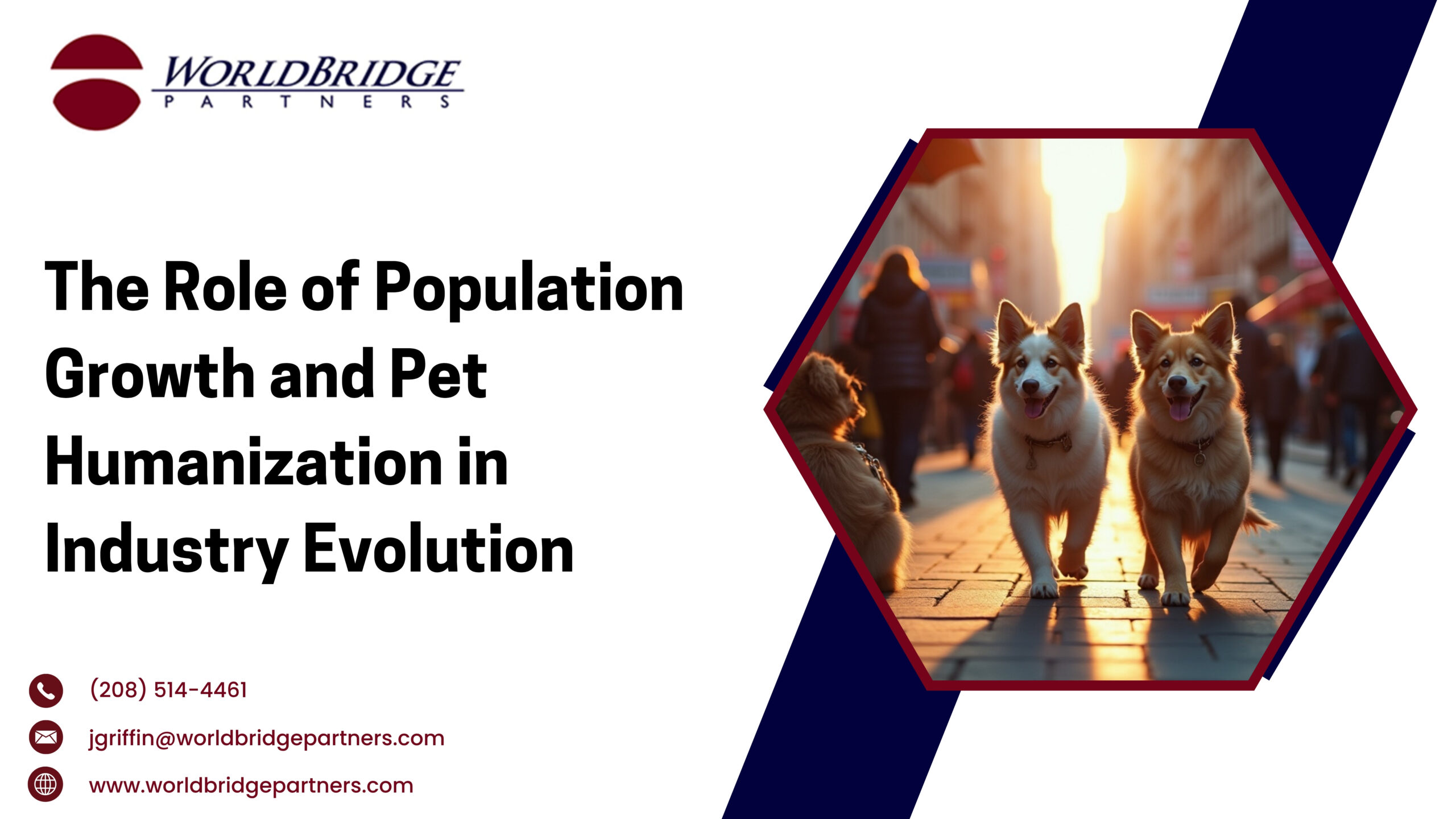
The Role of Population Growth and Pet Humanization in Industry Evolution
Over the past decades, the international economy has experienced massive changes as industries have tried to cope with the needs of a changing consumer market. Two of the most compelling trends affecting the changes are population growth and the humanization of pets. The two have significantly impacted different industries at a rapid rate, especially the pet care, food, and consumer goods sectors. This article analyzes how these two drivers promote industry innovation and transform the consumer market.
Population Growth: A Driver of Economic Shifts
The global population has been consistently on the rise, and the United Nations projects that by 2050, it will hit 9.7 billion. Such growth has implications and opportunities across various sectors. With more people comes a higher demand for resources, goods, and services, prompting companies to recast their approaches.
For example, with further urbanization driven by population growth, there is a changing dynamic in consumption patterns. Urban residents, especially from the emerging world, are growing in wealth and concern for quality within their purchase choices. When populations increase, there is a higher demand for novel products and services that have reached across broader sections of the population, including the developing world’s emerging middle class. This need is observed in housing, food production, healthcare, and, interestingly, the pet sector.
Pet Humanization: Elevating the Status of Pets
One of the strongest trends affecting the pet care industry today is the humanization of pets. What were once simply companions or animals, pets, especially dogs and cats, are now thought of as family members. This mindset change has increased consumer expenditures in pet product and service categories. Pet owners today are more likely to spend money on quality food, medicine, grooming, and even luxury things for their pets.
Pet humanization is a shift in perception and an expression of more significant social trends. With more individuals postponing having children or having smaller families, pets are being treated increasingly as family members and, in some instances, “children substitutes.” This trend is most evident in developed economies but is also gaining traction in emerging markets. Pet ownership, particularly by Millennials and Gen Z, has increased significantly since these generations see pets as emotional companions and a reflection of their lifestyle.
The effect of the humanization of pets on business development is immense. From upscale pet food produced from high-quality ingredients to pet spas that provide spa treatments and well-being services, businesses keep reinventing themselves to capture the market need for products and services addressing the increased love for pets. Even the pet food industry has grown with products like organic, gluten-free, and even “keto” dog foods, which reflect how much money owners will spend on their pets.
Industry Sectors Affected by Population Growth and Pet Humanization
Several sectors are experiencing a direct impact from population growth and the humanization of pets. These include:
1. Pet Food and Nutrition
The market for pet food has been transformed by consumer need for healthier, more specific pet food. Pet owners increasingly want to pay more for food that reflects human nutrition trends, e.g., grain-free or raw foods. As these trends have grown, so has the drive for manufacturers to innovate continuously so that their products meet the individual health requirements of pets.
2. Healthcare and Wellness
With pets being treated increasingly as family, their health and well-being precede their owners. Pet insurance and veterinary care have thrived as more pet owners want regular checkups, shots, and pet emergency services., Pet wellness products such as supplements and alternative therapies like acupuncture and massage are gaining popularity.
3. Technology
Technology is playing a more significant role in the pet industry. Technology is leading the way in pet care, from pet tracking units to interactive toys and health-monitoring systems. As pets become more integrated into daily life, technology solutions that improve pet and owner life are gaining popularity.
4. Retail and E-Commerce
The development of e-commerce has been instrumental in the growth of the pet industry. Convenience and access to a wide range of pet-related products, including food and toys, accessories, and grooming equipment, are provided by online stores. This convenience has resulted in higher consumer expenditure, as pet owners are more inclined to purchase products online that suit their pets’ requirements.
The Future of Pet Care and Industry Evolution
In the years to come, the intersection of population growth and pet humanization will continue to influence the direction of various industries. With the world population growing, pet ownership is set to increase, particularly in developing markets where pet care remains a burgeoning trend. Further, as pets remain part of the family unit, companies must respond by creating products and services that address changing pet owners’ needs.
Sustainability will also be one of the prime drivers for industry growth. As more consumers think about the environment, the demand for eco-friendly and sustainable pet care products will undoubtedly see an upturn. From biodegradable dog bags to eco-pet food packs, pet care in the years to come will consider not just the pets’ well-being but also that of the earth.
Conclusion
Population growth and the humanization of pets have been significant factors in reshaping industries globally, especially in the pet care industry. As individuals grow closer to their pets, companies are pushed to innovate and develop products and services that match changing consumer needs. This compelling interaction of social transformation and industrial innovation is remodeling the world economy, with opportunities for growth, sustainability, and technological innovation. By recognizing these trends, companies can position themselves to serve the needs of an expanding and more pet-focused population.
You can read more at Pet Food Industry for further details on how population growth and pet humanization shape the pet industry.
Related Posts